


Blog

Top Nursing Home Neglect Attorney in Queens: Warning Signs, Your Legal Options, and What to Do Now
top nursing home neglect attorney Queens
When a loved one develops a serious wound, loses weight, or remains in soiled bedding, do not assume poor care is simply part of understaffing. The top nursing home neglect attorney Queens families consult can assess whether a facility failed its duties and help preserve evidence before records or memories fade.
Key Takeaways
- Serious wounds, unexplained weight loss, and poor hygiene are warning signs of neglect, not an unavoidable consequence of understaffing.
- A skilled Queens nursing home neglect attorney can determine whether a facility failed to meet its legal duty of care.
- Acting quickly helps preserve medical records and witness testimony before they become unavailable.
- Families have legal options to hold negligent facilities accountable and pursue full compensation for the harm suffered.
Neglect cases depend on the resident’s needs, specific care failures, and resulting harm. Silberstein & Miklos, P.C. reviews these facts with trial preparation in mind. The firm’s NYC Nursing Home Abuse & Neglect Attorney service helps families understand legal issues and consider next steps.
Neglect vs. Abuse Under New York Law: Where Understaffing Crosses the Line
Neglect generally means a facility failed to provide care needed to protect a resident’s health, safety, or dignity. Abuse involves an intentional harmful act, such as hitting, threatening, or improperly restraining someone. Understaffing alone does not prove a legal claim. The question is whether the home knew, or should have known, the resident’s needs and failed to take reasonable steps, causing injury or avoidable risk.
What Counts as Neglect in a Queens Nursing Home?
A nursing home may be responsible for failing to follow an appropriate care plan or address foreseeable risks. Examples include not repositioning a bedbound resident, missing signs of infection, providing inadequate fluids or nutrition, or leaving a fall risk without needed supervision. A pressure injury may require assessment, treatment, and monitoring, not merely a dressing change.
An attorney evaluating a case may examine the care plan, staffing records, medication administration, progress notes, incident reports, and medical records. The central issue is whether a care breach caused a measurable injury or worsening condition. Families can consult the NYC Nursing Home Abuse & Neglect Attorney service to discuss whether the documented facts warrant legal review.
Neglect vs. Abuse: A Side-by-Side Comparison
The distinction helps families describe what happened, but either type of misconduct may support legal action. A facility’s label for an incident does not settle the issue. Preserve details, request appropriate care, and seek an independent assessment if the resident’s condition changes.
| Issue | Neglect | Abuse |
|---|---|---|
| Typical conduct | Failure to provide necessary care or supervision | Intentional physical, emotional, or other harmful conduct |
| Examples | Unaddressed dehydration, missed medication, untreated pressure injury | Hitting, intimidation, or improper use of restraints |
| Evidence to preserve | Care plans, chart entries, staffing information, wound records | Injury photographs, witness accounts, incident documentation |
| Core question | Did a care failure cause or worsen harm? | Was harmful conduct intentional or abusive? |
Is ‘Chronic Understaffing’ a Legal Defense? (No, Here’s Why)
A facility may cite staffing shortages, but it still has a duty to provide care suited to residents’ needs. A shortage may explain how a failure occurred; it does not automatically excuse missed turning schedules, delayed responses, or inadequate supervision. Evidence must show what care was required, what staff provided, and whether an omission caused harm.
Silberstein & Miklos, P.C., a top nursing home neglect attorney Queens families may seek, examines clinical standards alongside operational records. The firm is AV-rated by Martindale-Hubbell and brings trial experience to cases where evidence must withstand scrutiny, not merely support a quick settlement.
Warning Signs of Nursing Home Neglect: What to Look For and Document
Physical Red Flags: Bedsores, Dehydration, Malnutrition, and Untreated Wounds
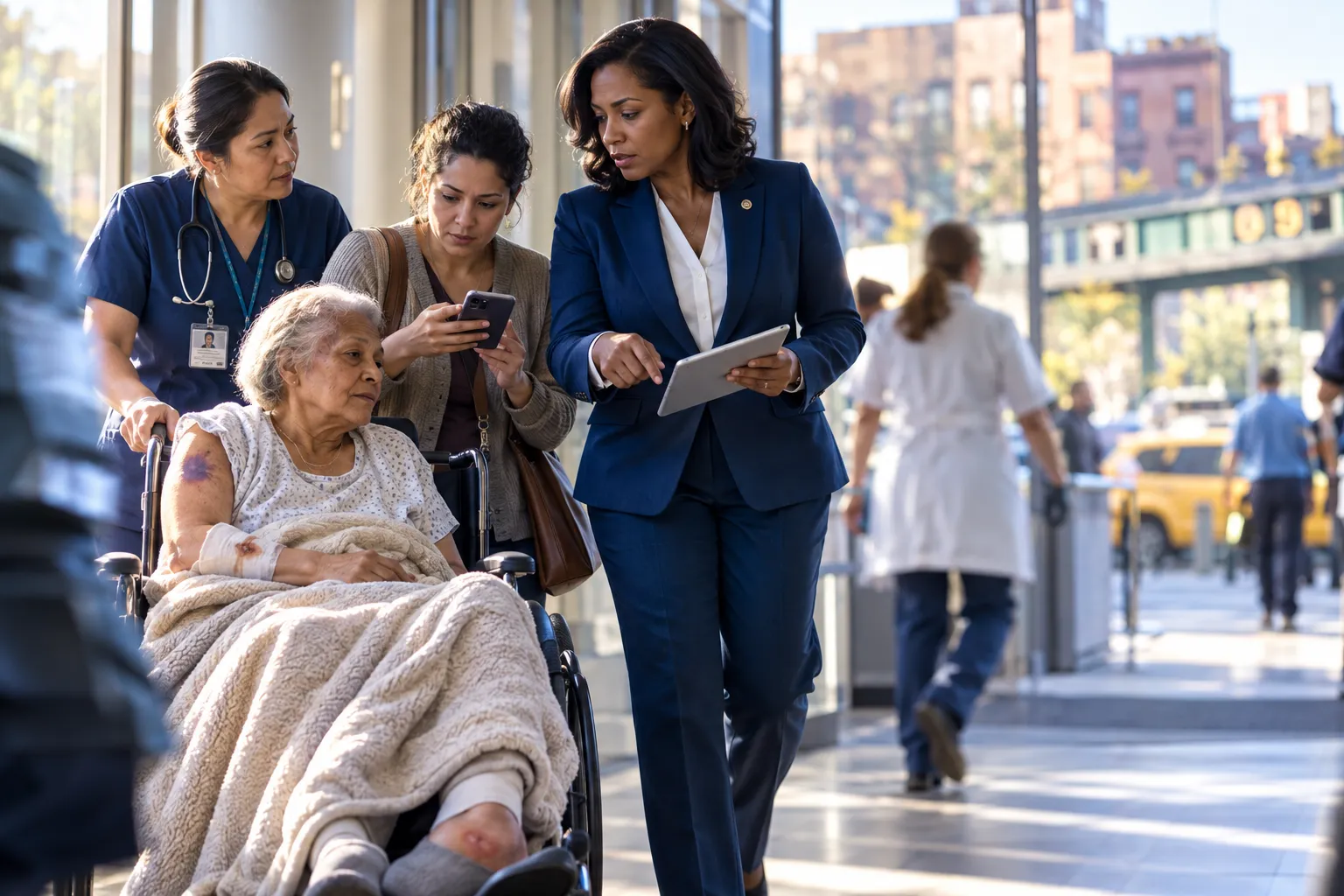
Watch for new or worsening pressure sores, unexplained bruises, persistent redness, dry mouth, dark urine, sudden weight loss, dirty clothing, and wounds without a clear treatment plan. Bedsores can progress if pressure is not relieved or skin changes go unreported. Ask when the condition was first observed, who assessed it, and what follow-up is scheduled. Worsening injury, fever, confusion, or signs of infection call for prompt medical attention.
Behavioral and Environmental Signs Families Often Miss
Mood changes, withdrawal, fear around particular caregivers, unusual sleepiness, or reluctance to speak may signal distress or inadequate care. Notice call bells left out of reach, strong odors, soiled linens, unattended residents, missing mobility aids, and untouched meal trays. A single observation may have an innocent explanation; recurring signs alongside declining health deserve a written record and direct questions to the facility.
Your Documentation Checklist: Photos, Visit Logs, and Unannounced Visits
Keep a dated record while details are fresh, including copies of written requests and responses and the names of people present. Photos can document visible changes; capture the date and context without disturbing care. Do not alter images or share private medical details publicly. Since the facility may control its records, consistent personal notes can help an attorney identify and compare records to request.
- Record each visit’s date, time, observed condition, and staff response.
- Photograph visible injuries or room conditions while protecting the resident’s dignity.
- Ask for the current care plan and note promised follow-up.
- Vary visit times when practical, including times outside a predictable routine.
Can I Put a Camera in My Loved One’s Room in New York?
Before installing a camera, check current New York law, facility rules, and the privacy rights of roommates and visitors. Video or audio recording may raise consent and confidentiality concerns, especially in shared rooms. Ask about the facility’s written policy and whether private-room recording can be arranged with required consent. A top nursing home neglect attorney Queens residents contact can review the circumstances before recording begins and help avoid legal problems.
Who Has Legal Authority to Act: POA, Guardianship, and Demanding Better Care
Families can ask questions and report concerns, but authority to make medical decisions depends on the resident’s capacity and applicable documents or court orders. Subject to privacy rules, a nursing home should explain the resident’s condition and care plan to an authorized decision-maker. If staff delay a wound assessment or resist a hospital evaluation, identify who can consent and make the request in writing. The NYC Nursing Home Abuse & Neglect Attorney service can help families consider their options when disagreements arise.
Medical Power of Attorney: What It Does (and Doesn’t) Let You Do
In New York, a health care proxy names an agent to make health care decisions if the person lacks decision-making capacity. A power of attorney may cover financial and other specified matters, but does not automatically authorize medical decisions. Review the signed document, confirm it is effective, and ask the facility which document it needs. An authorized agent must act according to the resident’s wishes and applicable law; the role does not guarantee staff will agree with every requested treatment.
Guardianship and Conservatorship Petitions When No POA Exists
If a resident cannot make decisions and no effective health care proxy or other authority applies, family members may need to ask a court to appoint a guardian. New York courts can tailor authority to the person’s needs, and the process requires legal filings and supporting information. Being a spouse, adult child, or closest relative alone does not necessarily give someone power to consent to every treatment. An attorney can assess capacity, existing documents, urgency, and whether a guardianship petition is appropriate.
How to Demand a Wound Specialist, Hospital Transfer, or Escalated Care
Write to the nursing director and attending clinician describing the change in condition and requesting a timely examination. Ask who is responsible for follow-up. For urgent symptoms, seek emergency medical help rather than waiting for an internal review. Keep messages and responses, noting dates, names, and decisions.
- Confirm who is authorized to receive medical information and make decisions.
- Request the current care plan and the clinical basis for any refusal or delay.
- Ask that a specialist, hospital evaluation, or other escalation be documented in the medical record.
- Contact the resident’s physician or emergency services if the condition worsens or requires immediate attention.
Authority and urgency are separate questions. A family member may alert clinicians and request action without decision-making authority. If the facility refuses an appropriate evaluation, document the refusal and obtain independent medical guidance promptly. Silberstein & Miklos, P.C. can review authority documents and care decisions through its NYC Nursing Home Abuse & Neglect Attorney service.
Reporting Neglect in Queens: DOH Complaints, Ombudsman, and Your Lawsuit
Regulatory complaints, resident advocacy, and civil claims serve different purposes. A complaint can prompt review of facility practices; an ombudsman can help address care concerns and communication barriers. A lawsuit seeks legal remedies for harm and requires evidence linking a care failure to injury. Queens families can use appropriate channels in parallel. Keep dated copies of reports and responses, preserve records, and do not treat a regulator’s review as a substitute for legal advice.
Filing a Complaint with the NY State Department of Health
Report the facility and resident, then describe events chronologically with dates, names, observed conditions, and steps already requested. Include copies of relevant records or correspondence if available, and retain originals. The New York State Department of Health accepts nursing home care complaints and determines whether an investigation is warranted. Ask how to submit more information and save confirmation details. For a medical emergency, contact emergency services rather than relying on the complaint process.
How the Long-Term Care Ombudsman and Elder Abuse Hotline Help
The Long-Term Care Ombudsman Program helps residents and families raise quality-of-care, resident-rights, and communication concerns. An ombudsman may explain the complaint process or pursue resolution with the home, but does not replace emergency care or legal representation. For suspected abuse, neglect, or exploitation of an older adult, the New York State Office for the Aging’s Elder Abuse Helpline can direct callers to support. A report may also connect a family with local services.
Why Complaints and Lawsuits Work Together, Not Instead of Each Other
A regulatory investigation may examine compliance and facility practices; a civil case focuses on the resident’s injury, evidence, and legal responsibility. Neither process automatically determines the outcome of the other. Preserve complaint records, care notes, witness names, and facility responses. An attorney can identify records to request, assess conflicting explanations, and help families avoid overlooking time-sensitive legal steps while a regulator reviews the case.
- Address urgent health needs through the resident’s clinician or emergency services.
- Submit a factual complaint to the New York State Department of Health and save a copy.
- Contact the Long-Term Care Ombudsman for help raising resident-care or rights concerns.
- Preserve correspondence and consult counsel about evidence and legal options.
Your Legal Options: Deadlines, Damages, and What a Queens Neglect Lawsuit Recovers
A legal claim can seek compensation when a nursing home’s failure to provide appropriate care causes harm. A top nursing home neglect attorney Queens families consult will assess records, injury, and applicable deadlines. Silberstein & Miklos, P.C. evaluates cases with trial preparation in mind, not only the possibility of an early settlement. The firm’s NYC Nursing Home Abuse & Neglect Attorney service offers a way to discuss facts and next steps.
How Long Do You Have to File? New York’s Statute of Limitations
New York generally allows three years to bring a personal injury claim based on neglect; a wrongful death claim generally must be filed within two years of death. Different deadlines may apply if the facts support medical malpractice, a public entity is involved, or another legal issue affects the case. The start date can also depend on the claim. These general timeframes do not establish a final filing date. Ask an attorney to review the circumstances promptly, since delay can limit access to records, witnesses, and legal remedies.
Wrongful Death Claims When Neglect Is Fatal
If neglect may have contributed to a resident’s death, an eligible representative of the estate may bring a wrongful death action. The case requires evidence linking the facility’s conduct to the death and proof of legally recognized losses. Preserve discharge papers, medical records, funeral expenses, and facility communications. Eligibility, damages, and deadlines depend on the facts. Ask counsel to review the death certificate and medical timeline rather than accepting the facility’s explanation without scrutiny.
What Compensation Covers: Medical Costs, Pain and Suffering, and More
Potential damages may include injury-related medical expenses, future care costs, and compensation for pain and suffering. A wrongful death case may allow recovery for certain financial harms to eligible beneficiaries. The amount depends on evidence such as treatment records, bills, expert opinions, and the resident’s condition before and after injury. A case review should identify documented costs and losses that may need medical or financial analysis. No attorney can promise a particular recovery before investigating liability, causation, and damages.
How Contingency Fees Work: You Pay Nothing Upfront
With a contingency fee arrangement, attorney fees are generally an agreed percentage of a recovery rather than hourly bills paid in advance. Request the written agreement and an explanation of case expenses, including records charges, expert review, and filing costs, and ask how expenses are handled if there is no recovery. Silberstein & Miklos, P.C. can explain its terms during a free consultation. The NYC Nursing Home Abuse & Neglect Attorney service is a starting point to discuss deadlines, evidence, and representation costs.
Frequently Asked Questions
How hard is it to sue a nursing home for neglect in New York?
Suing a nursing home for neglect requires proving the facility owed your loved one a duty of care, breached that duty, and caused measurable harm. These cases depend on evidence such as care plans, staffing records, medical charts, and incident reports. A top nursing home neglect attorney Queens families trust can evaluate the facts and preserve evidence before records deteriorate or memories fade.
What kind of lawyer do I need for nursing home negligence?
Families need a personal injury attorney experienced in nursing home abuse and neglect cases, such as Silberstein & Miklos, P.C. An attorney who prepares for trial examines clinical standards, staffing records, and medical documentation, which matters because evidence must withstand scrutiny rather than merely support a quick settlement.
What is considered negligence in a nursing home?
Nursing home negligence occurs when a facility fails to provide care needed to protect a resident’s health, safety, or dignity. Examples include failing to reposition bedbound residents, missing signs of infection, providing inadequate fluids or nutrition, or leaving fall risks without supervision. The key issue is whether the care failure caused a measurable injury or worsening condition.
Is understaffing a valid legal defense for a nursing home?
No, chronic understaffing does not excuse a facility from its legal duties. A staffing shortage may explain how a failure happened, but it does not automatically justify missed turning schedules, delayed responses, or inadequate supervision. The facility still must provide care suited to each resident’s documented needs.
What are the chances of winning a lawsuit against a nursing home?
No attorney can guarantee an outcome, because success depends on the strength of the evidence linking the facility’s care failures to specific harm. Cases fare better when families document warning signs, keep dated visit logs, photograph visible conditions, and preserve records early. Trial-ready legal preparation also strengthens a claim’s credibility.
What is the average settlement for nursing home neglect?
There is no fixed average settlement for nursing home neglect, because compensation depends on the resident’s injuries, the severity of the care failures, and resulting damages. Every case is fact-specific, and outcomes vary. An experienced attorney can review your documentation and explain what compensation may be available in your situation.
What warning signs of nursing home neglect should families watch for and document?
Physical warning signs include new or worsening bedsores, dehydration, malnutrition, unexplained bruises, and wounds without a clear treatment plan. Behavioral and environmental signs include withdrawal, fear around certain caregivers, soiled linens, and untouched meal trays. Keep dated notes, photograph visible conditions while protecting your loved one’s dignity, and vary your visit times.
