


Blog

Top Rated Uber Accident Attorney Bronx: Legal Protection and Maximum Compensation
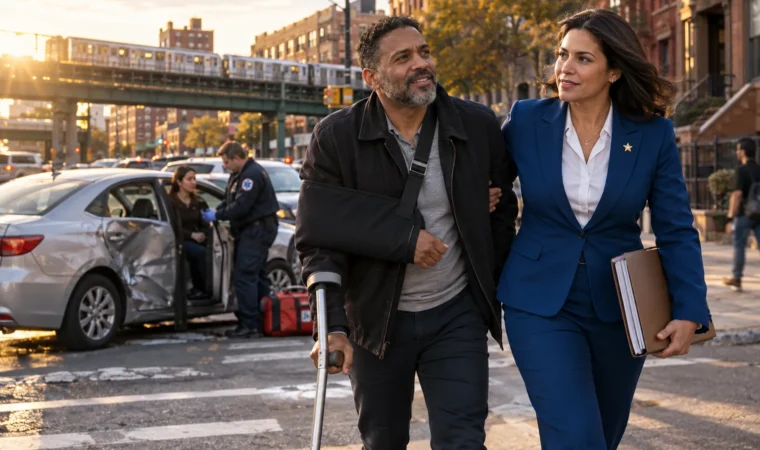
top rated Uber accident attorney Bronx
After a Bronx Uber crash, the driver’s app status can determine which insurance policy applies. Medical bills and lost income may begin before insurers agree. A top rated Uber accident attorney Bronx can investigate the trip, identify available coverage, and protect your claim while you focus on treatment.
Silberstein & Miklos, P.C. prepares rideshare cases for trial and focuses on evidence that may shape liability and compensation. The firm also handles truck accident matters through its Bronx Truck Accident Lawyers team, a separate practice for commercial truck collisions.
Injured in a Bronx Uber Collision? Why Immediate, Expert Legal Action is Non-Negotiable
Coverage often depends on whether the Uber driver was offline, waiting for a request, traveling to pick up a passenger, or carrying a passenger. Get medical care, report the collision, preserve trip details and messages, and avoid signing an insurance release before you understand its effect. A lawyer can investigate the driver’s app status and identify potentially responsible insurers.
The Harsh Reality of Rideshare Accidents in the Bronx
A rideshare collision can bring injuries, missed work, vehicle damage, and uncertainty about payment. The driver’s personal insurer and a commercial rideshare insurer may each dispute whether their policy applies. Whether you were a passenger, driver, pedestrian, or occupant of another vehicle, the crash details and driver’s status can affect your claim. Do not let conflicting insurance positions delay medical care or leave important facts undocumented.
Why Your Case Demands More Than Generic Legal Advice
Uber claims require review of the collision report, witness accounts, trip records, policy language, and app activity to establish the active coverage period. A top rated Uber accident attorney Bronx should be ready to challenge disputed accounts, assess your injuries, and press insurers to explain their decisions. Ask how the attorney will investigate the trip and prepare if negotiations fail.
Introducing Silberstein & Miklos: Your Trial-Ready Bronx Advocates
Silberstein & Miklos, P.C. brings courtroom experience and focused preparation to injury claims. The firm’s AV Preeminent rating and recognition by Super Lawyers reflect peer evaluation of professional ability and ethical standards. In a rideshare case, trial preparation starts by identifying liable parties, obtaining available records, documenting harm, and building a case that can withstand insurer scrutiny.
Our Commitment: Maximum Compensation and Compassionate Support (ASK4SAM)
ASK4SAM stands for clear answers, personal attention, and determined advocacy. We handle legal demands while you focus on recovery. For truck collisions, the firm’s separate Bronx Truck Accident Lawyers practice addresses distinct investigation and liability issues. For an Uber crash, we focus on rideshare coverage, available evidence, and losses supported by your records.
Navigating the Complex Uber Insurance Tiers: Understanding Your Coverage in New York
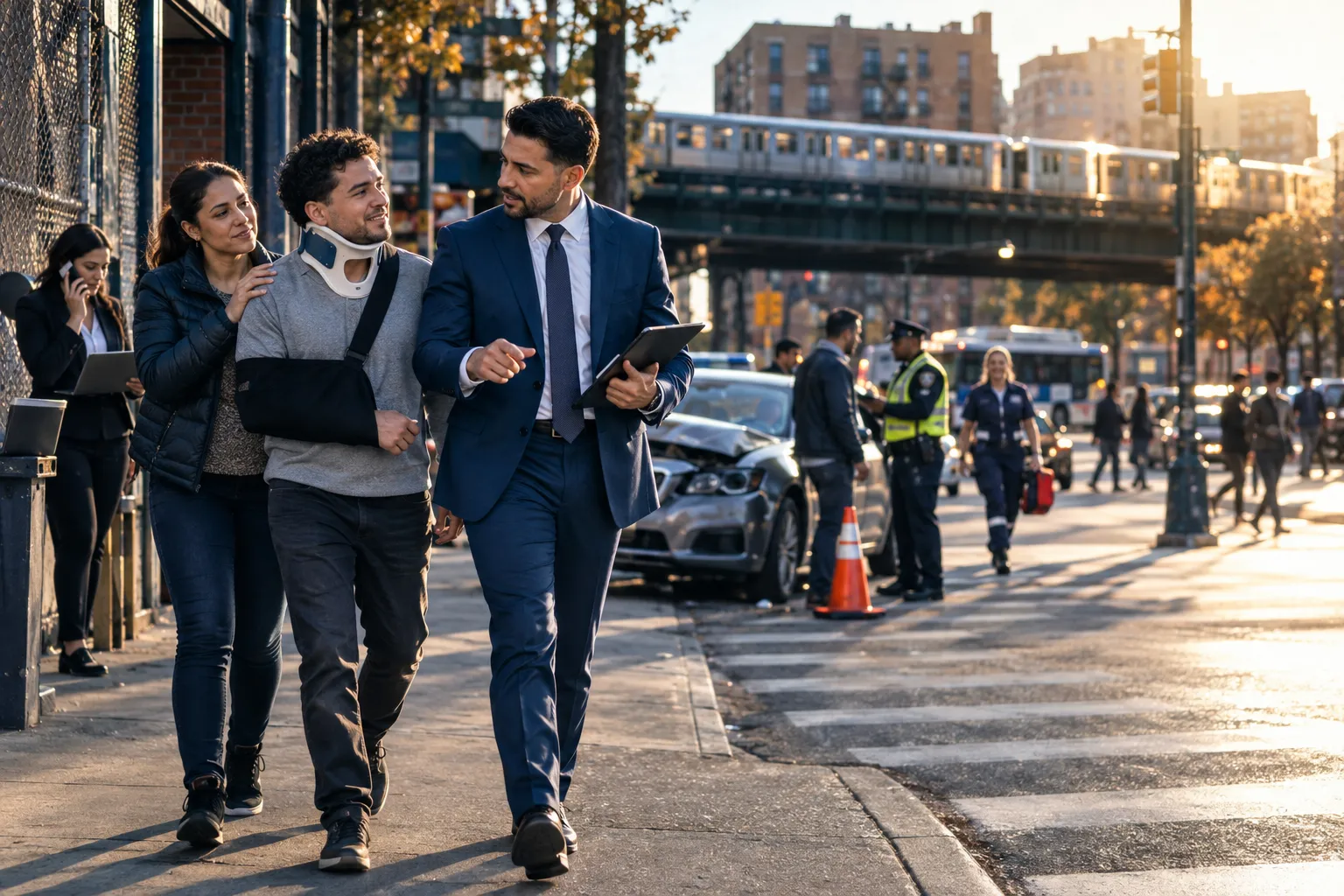
The Three Pillars of Uber’s Insurance: What Each Period Covers
Rideshare coverage depends on the driver’s app activity at the time of the crash: whether the driver was available for requests, had accepted a trip, or was transporting a passenger. This can determine whether personal auto, rideshare, or commercial liability coverage may apply. The table summarizes the coverage structure described in the research; individual policy terms and collision facts require review.
| Driver status | Coverage described | What investigators must establish |
|---|---|---|
| Offline, not using the app for rides | Personal auto coverage may apply | Whether the driver was logged out and acting outside rideshare activity |
| App on, waiting for a request (Period 0) | Contingent coverage listed as $50,000 per person, $100,000 per accident, and $25,000 for property damage | App status, any personal-policy coverage, and applicable policy conditions |
| Request accepted, traveling to pick up the passenger (Period 1) | Coverage listed as $50,000 per person, $100,000 per accident, and $25,000 for property damage | When the request was accepted and whether the driver was en route |
| Passenger picked up, trip in progress (Periods 2 and 3) | Commercial liability coverage up to $1,250,000 | Trip records, pickup and drop-off details, and the applicable policy language |
Period 0: Offline and Waiting for a Request ($50k/$100k/$25k)
An offline driver generally is not providing rideshare service, so personal auto coverage may be central. Period 0 applies when the driver is logged into the app and waiting for a request. The listed limits are $50,000 per person, $100,000 per accident, and $25,000 for property damage. Whether the driver was logged out or available for a request can be disputed, making app records and the driver’s account important.
Period 1: Trip Accepted, En Route to Passenger ($50k/$100k/$25k)
Period 1 begins after a driver accepts a request and before pickup. The listed limits are $50,000 per person, $100,000 per accident, and $25,000 for property damage. Acceptance time and route help establish the coverage period; trip history and electronic records may resolve timeline disputes. Actual coverage depends on the policy and case facts.
Period 2 & 3: Passenger Onboard/Trip in Progress ($1.25 Million Commercial Policy)
For New York accidents during an active trip, the research identifies commercial liability coverage up to $1,250,000. This is a policy limit, not a guaranteed payment. Liability, injuries, available coverage, and policy terms matter. The trip receipt, app timeline, and passenger account may establish whether the ride had started or was still active at the time of the crash.
How New York TLC Regulations Mandate Specific Coverage
New York City’s Taxi and Limousine Commission regulates for-hire vehicles, including licensed rideshare vehicles. Its requirements operate alongside state insurance rules and the policy terms for the driver’s activity. A claim may raise questions about vehicle licensing, required coverage, and driver status. Counsel should check the applicable TLC requirements and insurance documents rather than assume one policy covers every stage of a ride.
Why Insurance Adjusters Exploit Policy Gaps: Our Trial Strategy
When a crash occurs near a change in app status, insurers may dispute which policy applies or cite gaps between personal and commercial coverage. We examine the trip timeline, crash evidence, policy wording, and each carrier’s position, then seek a reasoned coverage decision. Trial preparation keeps the claim grounded in documented facts if an insurer refuses responsibility. A top rated Uber accident attorney Bronx can coordinate the investigation and pursue available compensation from responsible parties.
The Clock is Ticking: Essential Deadlines for Bronx Uber Accident Claims
New York’s 30-Day No-Fault Insurance (NF-2) Filing Window: A Critical Hurdle
New York’s Form NF-2, the Application for Motor Vehicle No-Fault Benefits, generally must be submitted within 30 calendar days of the crash. No-Fault benefits can help pay eligible medical expenses and lost earnings, subject to applicable rules and policy limits. Uber passengers should not assume the rideshare company will file for them. Notify the appropriate insurer promptly, request the forms, and keep proof of submission. If you are unsure which carrier should receive the application, seek legal guidance without delaying notice.
What Happens If You Miss the No-Fault Deadline?
Missing the 30-day window can put No-Fault benefits at risk. New York law may allow an explanation for late notice in some circumstances, but do not rely on an exception. Submit the application promptly, explain any delay, and keep copies of the application, medical bills, and correspondence. If an insurer denies or delays benefits, its written explanation and communication dates can help counsel assess your options.
The Statute of Limitations: Your Legal Deadline to Sue
New York generally allows three years to start a personal injury lawsuit under CPLR 214. A claim involving a municipal defendant may instead require a Notice of Claim within 90 days and additional procedural steps. Deadlines depend on the responsible parties and facts, and special rules can apply. Do not wait: evidence may disappear before the lawsuit deadline.
Why Immediate Action Preserves All Your Rights
Keep medical appointments, discharge papers, receipts, and records of missed work and vehicle expenses. Save the Uber trip receipt, screenshots, driver and vehicle details, and ride-related messages. Before signing a release or giving an insurer a recorded statement, understand the effect. If another driver disputes fault, preserve your account and identify witnesses while memories are clear.
Action Plan: Securing Your Claim from Day One
- Get medical care and follow the treating provider’s instructions.
- Report the collision to the appropriate insurer and ask how to submit Form NF-2.
- Track the 30-day filing date and keep submission confirmation.
- Save trip records, photos, witness contact details, and repair documents.
- Consult counsel promptly about deadlines, coverage disputes, and any potential municipal claim.
Beyond the Crash Site: Preserving Important Electronic Evidence in NYC Rideshare Cases
The Vanishing Trail: Why Digital Evidence is Your Strongest Ally
Electronic records may establish a vehicle’s route, when a ride was accepted, and what happened before and after impact. App activity, GPS data, dispatch records, messages, and vehicle camera footage can test accounts of speed, route, or fault. Different companies may control these files, and records may not remain available indefinitely. Write down what you remember, save materials on your phone, and promptly request preservation. Do not edit or delete related messages, photos, or notifications.
Dashcam Footage: Retention Limits and the Need for Immediate Preservation
Dashcam retention periods vary. A device may record over older footage, while a fleet operator or vehicle owner may use a separate schedule. Identify possible recording vehicles, including your own, the Uber vehicle, and nearby commercial vehicles. Note camera locations and request preservation quickly; a police report or insurance claim will not automatically secure video. If a truck was involved, the firm’s separate Bronx Truck Accident Lawyers practice handles truck collision investigations and evidence issues.
Uber App Data: Trip Logs, GPS, and Driver Behavior Telemetry
Trip logs and location data may show whether a driver was waiting for a request, going to a pickup, or carrying a passenger. They may also establish route and timing when insurers dispute driver status or the sequence of events. Preserve your trip receipt, ride communications, screenshots, and account details. An attorney can identify records to request and compare them with crash reports, witness statements, and physical evidence. Get qualified legal review before concluding that app records alone prove fault.
The Power of Spoliation Letters: How We Force Disclosure
A preservation letter, also called a spoliation letter, formally asks a company or individual to retain relevant evidence. It can identify the collision, vehicle, date and approximate time, and records such as video, trip data, GPS history, and driver communications. The letter does not guarantee disclosure or establish liability; counsel must pursue records through appropriate legal procedures. Silberstein & Miklos also represents injured people in truck cases through its Bronx Truck Accident Lawyers practice, where preserving company-held evidence can be part of the investigation.
Bronx Roadway Hazards & Electronic Data: Connecting the Dots on Major Deegan and Cross Bronx Expressway
A collision on the Major Deegan Expressway or Cross Bronx Expressway may involve multiple vehicles, abrupt traffic changes, construction, or limited stopping space. Electronic records can help establish vehicle positions, direction, timing, and impact sequence. Investigators can compare video and location data with photographs, roadway conditions, damage patterns, and witness accounts. If a commercial truck is involved, the separate Bronx Truck Accident Lawyers team can address truck-claim evidence questions. Request preservation before recordings or stored data are overwritten.
Securing Your Future: Why a Trial-Ready Bronx Attorney is Your Best Defense
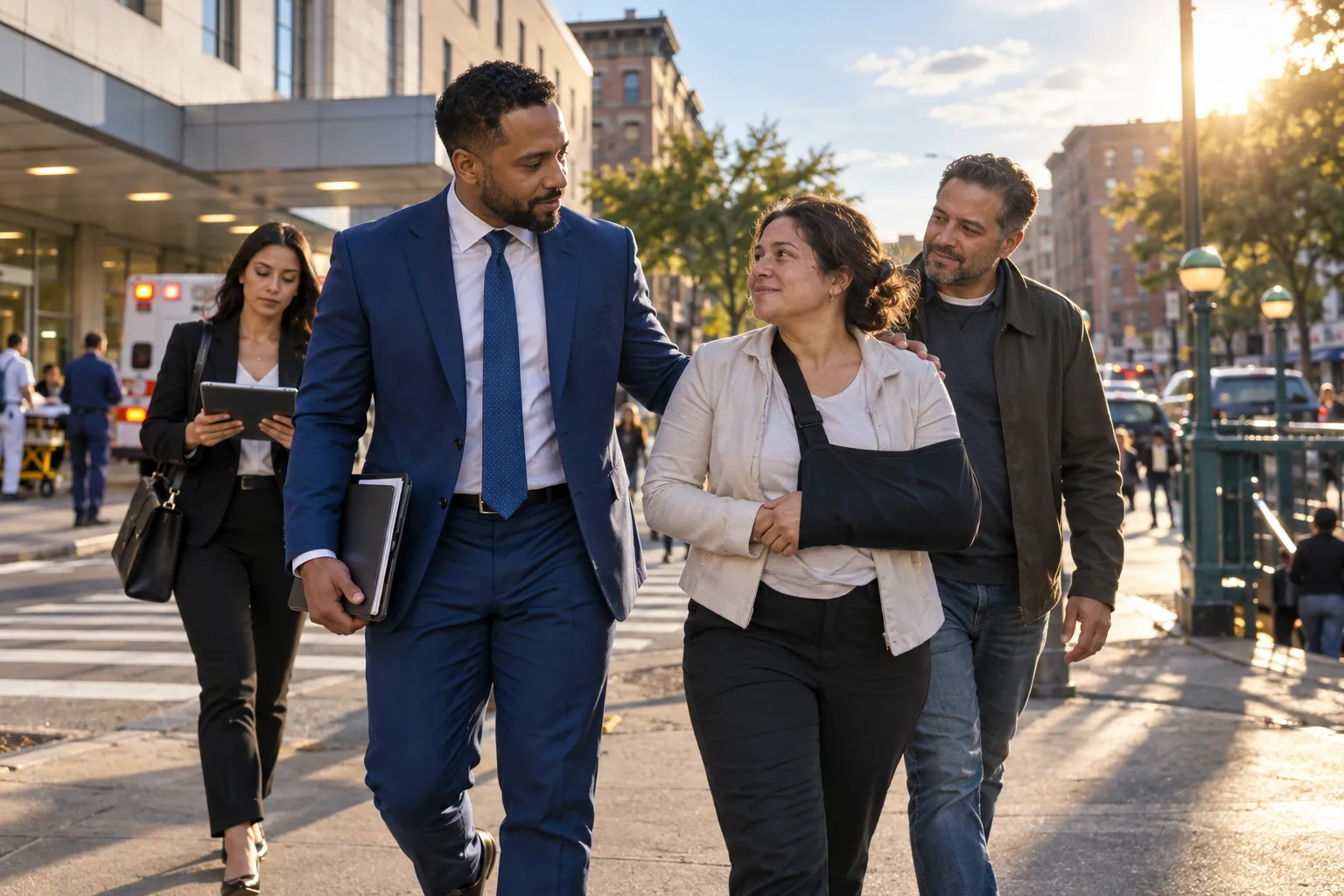
Understanding ‘Serious Injury’ and Pain & Suffering Claims in New York
New York’s no-fault system generally pays certain medical expenses and lost earnings without deciding who caused a crash. To seek pain and suffering damages from a responsible party, an injured person usually must meet the “serious injury” threshold in New York Insurance Law Section 5102(d). Categories include a fracture or significant limitation of a body function. Medical records, diagnostic findings, treatment history, and provider opinions can help establish whether an injury fits a legal category. Pain alone does not resolve the question; assess the evidence under the statute and your circumstances.
Common Causes of Uber Accidents in the Bronx: Driver Negligence and Road Conditions
Rideshare crashes may involve distracted driving, speeding, unsafe lane changes, failure to yield, or decisions made under pressure to reach a pickup. Congestion, sudden stops, construction, and obstructed sightlines can also affect a collision. On routes such as the Cross Bronx Expressway, a chain-reaction crash may involve several vehicles and competing accounts. Investigate each driver’s actions, damage, roadway conditions, witnesses, and available records. An insurer’s early conclusion or a driver’s blame-shifting need not be the final account of fault.
What Damages Can You Recover? Medical Bills, Lost Wages, and More
Depending on the facts and available coverage, a claim may include medical expenses, lost income, and other documented financial losses. A serious injury claim may also seek pain and suffering compensation if the New York legal threshold is met. Keep bills, health care records, wage statements, repair estimates, and receipts for collision-related expenses. Medical evidence may be needed to support future treatment and lasting limits on work or daily activities. Claim value depends on liability, injury proof, insurance, and the effect on your life, not just a headline policy limit.
Why Settling Early Can Cost You Everything: Our ‘No-Nonsense’ Approach
An early offer may precede a clear diagnosis, treatment course, or understanding of work limitations. Signing a release can end your claim even if new complications emerge. We review evidence, known losses, and reasonably supported future losses, and challenge offers that fail to account for the harm. Do not trade a permanent legal release for quick payment before understanding the consequences. Trial preparation supports negotiations and allows us to present your case in court if no fair resolution is offered.
The Silberstein & Miklos Advantage: Decades of Bronx Litigation Experience
Silberstein & Miklos, P.C. is AV Preeminent rated and recognized by Super Lawyers. The firm brings decades of litigation experience to serious injury cases and disputed responsibility. Attorneys prepare claims using medical proof, witness testimony, vehicle damage, insurance positions, and relevant legal issues. The firm’s separate Bronx Truck Accident Lawyers practice handles commercial truck cases and has secured million and multimillion dollar verdicts and settlements in truck accident matters. For a rideshare collision, we focus on evidence and legal theories that fit the case.
Your Free Consultation: The First Step to Maximum Recovery
Bring any crash report, trip receipt, insurance correspondence, medical records, and photographs. We will discuss the collision, injuries, claim options, and questions about fault or compensation. Ask how we would prepare if an insurer disputes responsibility. The separate Bronx Truck Accident Lawyers practice handles truck collisions; our rideshare review centers on your Uber crash. ASK4SAM. Contact Silberstein & Miklos, P.C. for a free consultation and a clear assessment of your next steps.
Frequently Asked Questions
What kind of lawyer do I need to sue Uber after a Bronx accident?
A Bronx personal injury attorney experienced with Uber and Lyft crashes can assess a claim involving a rideshare trip. The attorney can investigate the driver’s app status, review trip and collision records, identify potentially responsible parties and insurers, and prepare the claim if coverage or liability is disputed.
Can you recommend a car accident lawyer in the Bronx, NY?
Silberstein & Miklos, P.C. represents injured people in Bronx car and rideshare accident cases. The firm prepares cases for trial and investigates evidence such as crash reports, trip records, and app activity. Ask how the attorney will handle your specific injuries, insurance questions, and case preparation.
Can I sue Uber if I have an accident?
You may have a claim after a Bronx Uber crash if evidence supports legal responsibility and injury damages, but the facts determine who may be liable. A rideshare attorney can examine the driver’s app status, trip records, collision evidence, and applicable insurance policies to assess the available claim.
What is the average settlement for a car accident in New York?
There is no reliable average settlement that predicts what an individual New York car or Uber accident claim will pay. The value depends on factors such as injury severity, medical expenses, lost income, liability evidence, available insurance, and policy terms; the listed Uber coverage limits are not guaranteed settlement amounts.
How much of a $25,000 settlement will I get after a Bronx Uber accident?
The amount you keep from a $25,000 settlement depends on applicable attorney fees, case expenses, medical liens, and other obligations. Review the proposed settlement statement with your attorney before signing a release, since accepting it may affect your ability to pursue further compensation for the crash.
What should I do after an Uber accident in the Bronx?
After a Bronx Uber crash, get medical care, report the collision, and preserve trip details, messages, and other available evidence. Keep records of treatment and missed work, and avoid signing an insurance release until you understand its effect; app status may determine which coverage applies.
